Functional Medicine, Mental Health, Walsh Approach and Nutrient Therapy Articles
This hub provides broad access to articles on depression, anxiety, OCD, bipolar disorder, autism, ADHD, dementia, medications, methylation, copper and zinc, mitochondrial dysfunction, dysautonomia, oxidative stress, gut health, toxic burden, diet and supportive therapies.
Broad topic buttons lead to categories or major subject hubs. Individual article links include a short description so readers know exactly what they are opening.
Start with the symptom or diagnosis that led to the search.
Review benefits, risks, side effects and biochemical context.
Read about methylation, copper, zinc, pyroluria and cellular stress.
Use questionnaires, laboratory categories and consultation pathways.
Choose a Clinical Pathway
These starting points direct readers to the most relevant part of the library.
Depression, anxiety, OCD and bipolar disorder
Includes medication response, Walsh biotypes, methylation, copper, insomnia, panic and irritability.
Explore ArticlesAutism, ADHD and neurodevelopment
Includes developmental regression, FRAT, leucovorin, oxidative stress, mitochondria and nutrient balance.
Explore ArticlesMitochondria, dysautonomia and fatigue
Includes ATP production, exercise intolerance, autonomic symptoms, oxidative stress and metabolic brain disorders.
Explore ArticlesGut barriers, toxic burden and poor tolerance
Includes dysbiosis, histamine, malabsorption, toxic load, kidney/liver clearance and supplement intolerance.
Explore ArticlesThe Walsh Approach and Biochemical Patterns
Core reading on nutrient individuality, undermethylation, overmethylation, copper overload, pyroluria, toxic burden and the limitations of any single biochemical model.

The Walsh Approach
Start here for an overview of biochemical patterns, testing, nutrient treatment and the expanded Second Opinion Physician framework.
Explore the Walsh Approach Browse Walsh ArticlesWalsh Protocol Review: Benefits, Limits and Nonresponders
A balanced article explaining where the Walsh model is useful and when gut, mitochondrial, hormonal, toxic or clearance issues require equal attention.
Read the Walsh ReviewMove from general education to symptom organization, laboratory testing or clinical discussion.
Questionnaires Walsh Testing Pre-ConsultationDepression, Anxiety, OCD, Bipolar Disorder and Medications
Condition and medication guides explaining benefits, side effects, biochemical fit, treatment nonresponse and why the same medication may help one patient while worsening another.
Mental Health Conditions
Browse depression, anxiety, OCD, ADHD, bipolar disorder, insomnia, autism and related symptom guides.
Browse ConditionsMental Health Medications
Browse antidepressants, ADHD medications, mood stabilizers, antipsychotics and medication-response articles.
Browse Medication GuidesChoosing the Best Antidepressant by Biochemical Pattern
A patient-focused guide to why antidepressants may help, fail, activate symptoms or stop working.
Read the Antidepressant GuideNecessary psychiatric medication should not be stopped abruptly. Stabilization and assessment should precede any prescriber-guided reduction.
Medication Hub Discuss Next StepsMethylation, Histamine, Homocysteine and Folate
Articles on methionine, SAM, SAH, homocysteine, whole-blood histamine, folate, B12, creatine demand, kidney clearance and supplement reactions.

Methylation Pathway Library
Browse all posts categorized under methylation, SAM/SAH, homocysteine, folate-B12 dynamics and creatine demand.
Browse Methylation ArticlesCreatine and Methylation
A focused explanation of creatine synthesis as a major use of methyl groups and why low dietary creatine may increase methylation demand.
Read About Creatine DemandUse methylation and histamine testing when symptoms or supplement reactions require clarification.
Methylation Tests Individual Biotype TestsCopper, Zinc, Ceruloplasmin and Pyroluria
Articles on anxiety, insomnia, postpartum mood changes, zinc deficiency, copper binding, free copper, pyroluria and nutrient repletion.

Copper and Zinc Article Library
Browse grouped posts about copper overload, ceruloplasmin, zinc testing and pyrrole-related nutrient loss.
Copper Overload Category Zinc Testing CategoryHigh Copper Symptoms and How to Test
A comprehensive guide to copper-related symptoms, estimated free copper, copper dumping, zinc balance and ceruloplasmin.
Read the High Copper GuideConfirm the pattern with copper, ceruloplasmin, zinc and pyrrole testing rather than symptoms alone.
Copper Panel Pyrrole TestAutism, ADHD and Pediatric Neurodevelopment
Articles on developmental regression, autism, ADHD, Fragile X, FRAT, leucovorin, oxidative stress, mitochondria, copper-zinc balance and family resources.

Pediatric Neurodevelopment Library
Browse the full category covering regression, oxidative stress, folate transport, autism, ADHD and pediatric functional testing.
Browse Pediatric ArticlesDevelopmental Regression in Children
A broad evaluation article covering neurological change, nutrition, immune activation, toxins, mitochondria and methylation.
Read About Developmental RegressionUse the pediatric questionnaire hub and targeted testing when the history spans multiple developmental domains.
Pediatric Questionnaires FRAT Testing Cellular Stress TestsMitochondria, Dysautonomia, Fatigue and Cellular Resilience
Broad access to articles on ATP production, autonomic dysfunction, exercise intolerance, metabolic brain disorders, oxidative stress, glutathione, ketones and mitochondrial support.
Mitochondria and Metabolic Brain Disorders
Start with broad category pages for mitochondrial dysfunction, dysautonomia, fatigue, oxidative stress and brain energy.
Mitochondria and Energy Metabolic Brain Disorders Mitochondrial DysfunctionWhat Are Mitochondria and Why Do They Matter?
Start here for the general subject before moving to specialized therapies.
Read the Mitochondria OverviewMethylene blue is retained as a clearly labeled treatment-specific article for readers intentionally researching redox support.
Methylene Blue and ATP Cellular Stress TestingGut Health, Histamine, Toxic Burden and Treatment Barriers
Articles on dysbiosis, histamine intolerance, mast-cell activation, poor absorption, toxic exposure, kidney/liver clearance, hydration and reasons supplements may be poorly tolerated.
Gut Health and Absorption
Start here when digestion, food reactions, histamine symptoms or nutrient absorption may be blocking response.
Browse Gut Health ArticlesToxic Burden and Detoxification
Browse toxic exposure, oxidative stress, kidney/liver clearance, sauna and detoxification topics.
Explore Toxic Overload Detox and Immune ArticlesHistamine Intolerance, DAO Supplements and Testing
A broad starting article for food reactions, headaches, gastrointestinal symptoms and poor supplement tolerance.
Read the Histamine GuideUse broader functional evaluation when gut, toxic, hydration or clearance barriers may be limiting improvement.
Toxic Burden Questionnaire Other Lab Panels Pre-ConsultationDiet, Glutamate, Ketones and Metabolic Therapy
Articles on low-glycemic nutrition, Mediterranean diet, ketogenic therapy, glutamate/NMDA activity, creatine, vitamin D and metabolic influences on mood and cognition.

Diet and Metabolic Therapy Library
Browse diet, ketone, Mediterranean, metabolic-brain and glutamate article categories.
Diet and Nutrition Metabolic Ketone Therapy Glutamate and NMDALow-Glycemic Mediterranean Diet
A broad food-pattern article that is more useful as an entry point than a specialized supplement page.
Read the Diet GuideUse the category archives for broader access to diet, ketone and glutamate articles.
Diet Articles Glutamate ArticlesDementia, Alzheimer’s Disease and Cognitive Decline
Articles on metabolic, vascular, nutritional, inflammatory, mitochondrial and toxic contributors to cognitive decline, together with Bredesen-related testing and treatment concepts.
Cognitive Decline and Alzheimer’s
Browse the full category rather than being directed to only one treatment, interview or laboratory article.
Browse Cognitive ArticlesCognoscopy and Dementia Testing
Browse current Cognoscopy and dementia-related laboratory categories when testing is the next question.
Cognoscopy PanelsWhat Causes Dementia?
The broadest current dementia article, covering multiple interacting causes rather than one single theory or therapy.
Read the Dementia GuideUse Cognoscopy and related testing categories when moving from education to laboratory evaluation.
Cognoscopy Panels Methylation TestsOzone Therapy, Inflammation, Infections and Supportive Therapies
Educational material on ozone therapy, sauna, infections, inflammation, Lyme-related biofilms, COVID-related topics and other integrative therapies.

Ozone and Lifestyle Therapies
Browse the ozone category or the dedicated ozone video-and-article library instead of only one method or interview.
Ozone Category Ozone Article LibraryOzone Therapy for Infections and Inflammation
The broadest current ozone article for readers not yet looking for a specific method or interview.
Read the Ozone OverviewUse the dedicated archive for broader access to videos, interviews and method-specific ozone articles.
Ozone Videos and ArticlesLatest Articles
Place the Beaver Builder Posts or Post Grid module directly below this section. Use three columns on desktop, featured images, category labels, short excerpts and pagination. The organized hub above provides durable access by topic, while the post grid keeps recently published material visible.
-
SAH, Methylation, and Mood
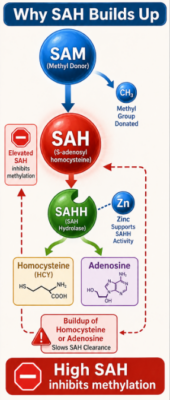
What Causes Undermethylation: Understanding Elevated SAH vs. Low SAM The SAM-to-SAH ratio is important, but it is only one part of the methylation picture. A complete assessment also considers total SAM, total SAH, methionine, homocysteine, betaine, cystathionine, cysteine, glutathione, creatine demand, mitochondrial energy and the factors that prevent the pathway from moving normally. SAM • […]
-
Glutamate and OCD: NMDA Receptors, Ketamine & Undermethylation
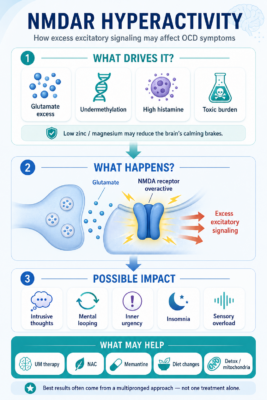
SECOND OPINION SERIES Glutamate and OCD: Why Intrusive Thoughts Become “Stuck” OCD is usually discussed as a serotonin disorder, but in many patients the pattern appears broader. Excessive or poorly regulated glutamate signaling, NMDA receptor overactivity, undermethylation, high histamine, low zinc or magnesium, oxidative stress, toxic burden, mitochondrial strain, and repeated exposure to processed-food glutamates […]
-
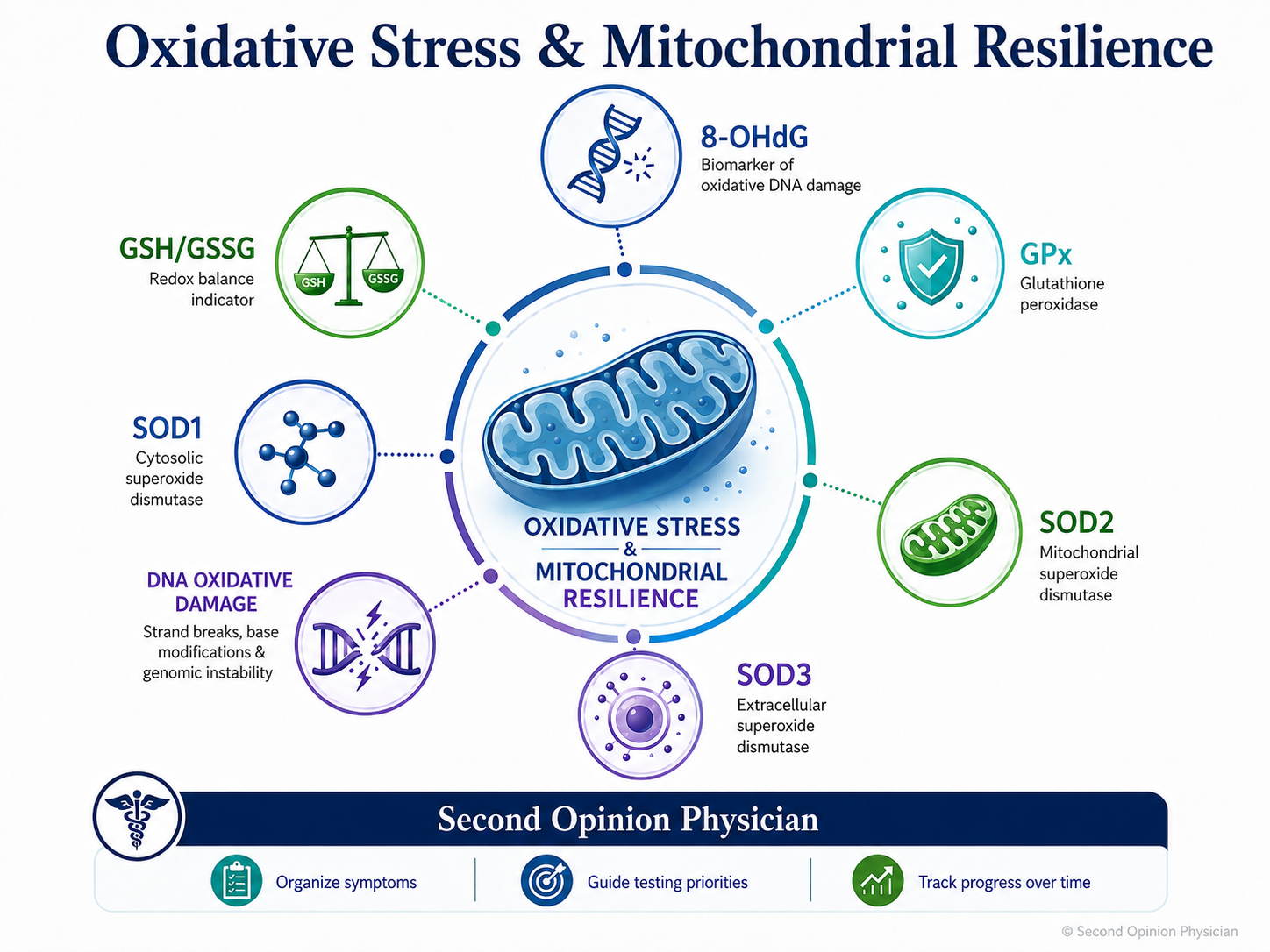
Mitochondrial Dysfunction
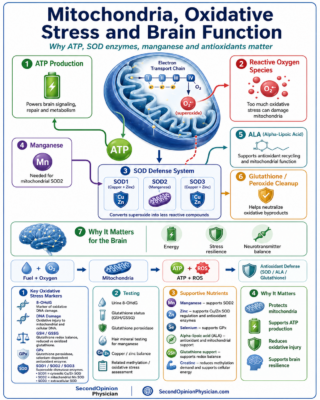
What Are Mitochondria? Oxidative Stress, SOD Enzymes and the Methylation Connection Mitochondria do far more than make energy. They regulate redox balance, calcium signaling, cell survival, inflammation, neurotransmitter function, methylation capacity and the brain’s ability to recover from stress. Mitochondrial dysfunction may therefore be relevant not only to inherited mitochondrial disease, but also to autism, […]
-
Dysautonomia in Autism
Dysautonomia in Autism: Symptoms, Causes, Testing and Treatment Dysautonomia is impaired regulation of automatic body functions. In children and adolescents, it may cause dizziness, rapid heart rate, fainting, heat intolerance, sweating changes, digestive symptoms, fatigue, headaches, sleep problems or exercise intolerance. Autonomic Nervous System • Autism • POTS • Mitochondria The practical clinical question is […]
-
What Causes Schizophrenia?
Schizophrenia, Walsh Biotypes and Functional Psychiatry What Causes Schizophrenia? Biotypes, Oxidative Stress and a Broader Treatment Strategy Schizophrenia is a serious psychiatric disorder involving changes in the perception of reality, thinking, behavior, motivation and cognition. Antipsychotic medication and coordinated psychiatric care remain central to treatment. A functional and Walsh-oriented evaluation may add another layer by […]
-
What Causes Dementia?
What Causes Dementia? A Metabolic, Nutritional and Biochemical Approach Dementia often develops after years of accumulated vascular, metabolic, inflammatory, nutritional and oxidative stress. Once established, neurodegeneration may not always be reversed, many factors that reduce brain function and resilience can still be identified, treated, stabilized or improved. Dementia, Brain Metabolism and the Walsh Approach The […]
-
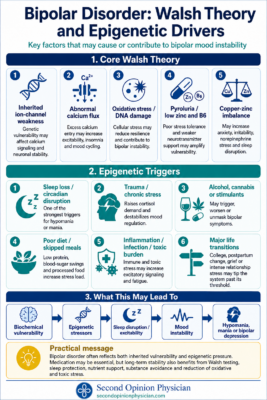
What Causes Bipolar Disorder? Walsh Theory & Epigenetic Drivers
What Causes Bipolar Disorder? Epigenetic Triggers, Walsh Theory and Treatment Options Bipolar disorder is unlikely to result from one defective gene, one neurotransmitter imbalance or one stressful event. A more complete model combines inherited susceptibility with unstable ion-channel and calcium signaling, disrupted sleep and circadian rhythm, inflammation, oxidative stress, mitochondrial strain, trauma, substance exposure and […]
-
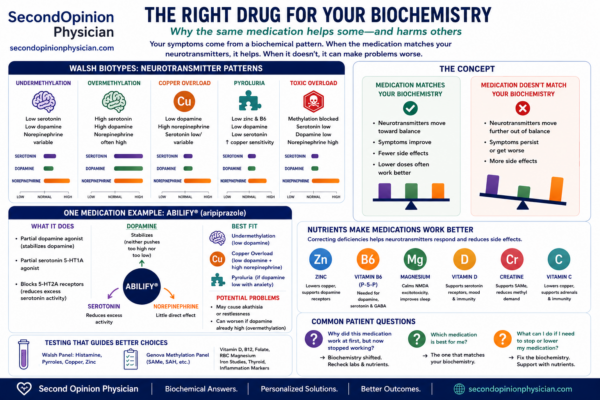
Best Antidepressant for Depression?
Psychiatric Medications Explained: Why Antidepressants, Stimulants and Antipsychotics Help-or Make Symptoms Worse Psychiatric medications can be necessary for controlling severe depression, mania, psychosis, agitation and dangerous behavioral instability. However, a diagnosis alone does not identify the underlying biochemical pattern or show which drug mechanism is most likely to help. In some patients, the wrong antidepressant […]
-
Creatine and Methylation: Mood, Brain Energy, Anxiety
SECOND OPINION SERIES Creatine is usually discussed as a muscle and exercise supplement, but its relationship to methylation may be even more important for patients with depression, anxiety, brain fog, fatigue or undermethylation. The body can obtain creatine from meat and fish or manufacture it from amino acids. That internal production uses SAM and generates […]
-
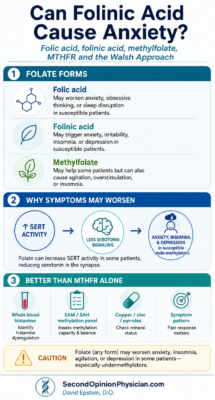
Can Folinic Acid Cause Anxiety? Folic Acid, Methylfolate & MTHFR
Can Folic Acid, Folinic Acid or Methylfolate Cause Anxiety or Depression? Folic acid, folinic acid and methylfolate may improve mood in some patients but cause anxiety, insomnia, agitation or worsening depression in others. In the Walsh model, this reaction is especially important in undermethylated patients because folate may increase serotonin-transporter activity, accelerate reuptake and leave […]